
17 Dec Placemaking In The Floodplains
Prepared by Nushrat Jahan
(Sustainability Catalyst Intern 2025, 8 80 Cities; PhD candidate, Geography and Planning, University of Toronto)
Toronto Faces Rising Flood Risks
Toronto and the Greater Toronto Area (GTA) are increasingly vulnerable to climate change-driven flash floods. The July 2024 flood caused an estimated $1 billion in insured damages, highlighting the urgent need for action. Aging stormwater infrastructure and heavier rainfall put the residents of GTA at risk, especially in tower neighbourhoods where many newcomers, seniors, and racialized residents live. These communities often lack safe outdoor spaces, and flooding disrupts daily life, leading to lost wages and health challenges.
What Is Floodplain Placemaking?
Floodplain placemaking is a forward-thinking approach that combines climate resilience, health equity, and ecological restoration. It goes beyond flood control by creating public spaces that support social and stormwater management. Local-scale strategies for floodplain placemaking include replacing concrete with porous materials to absorb water, increasing vegetation to reduce runoff, installing green roofs, rainwater barrels, and rain gardens. At the city scale, floodplain placemaking may involve naturalizing urban watersheds. These measures help manage stormwater runoff while improving community well-being.
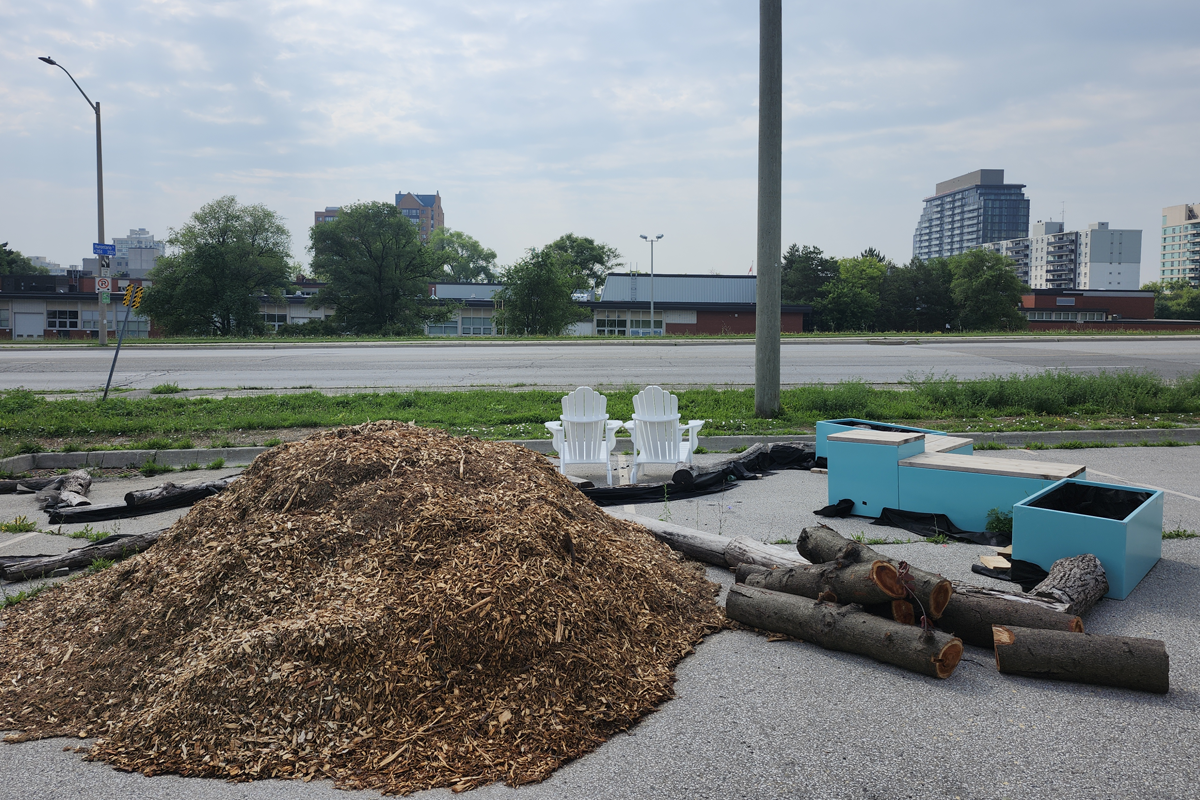
8 80 TowerPOPS, Cooksville
Local Action: TowerPOPS Leads the Way
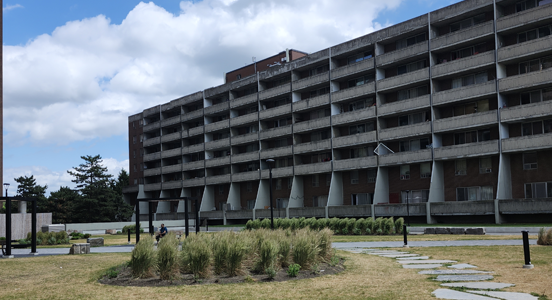
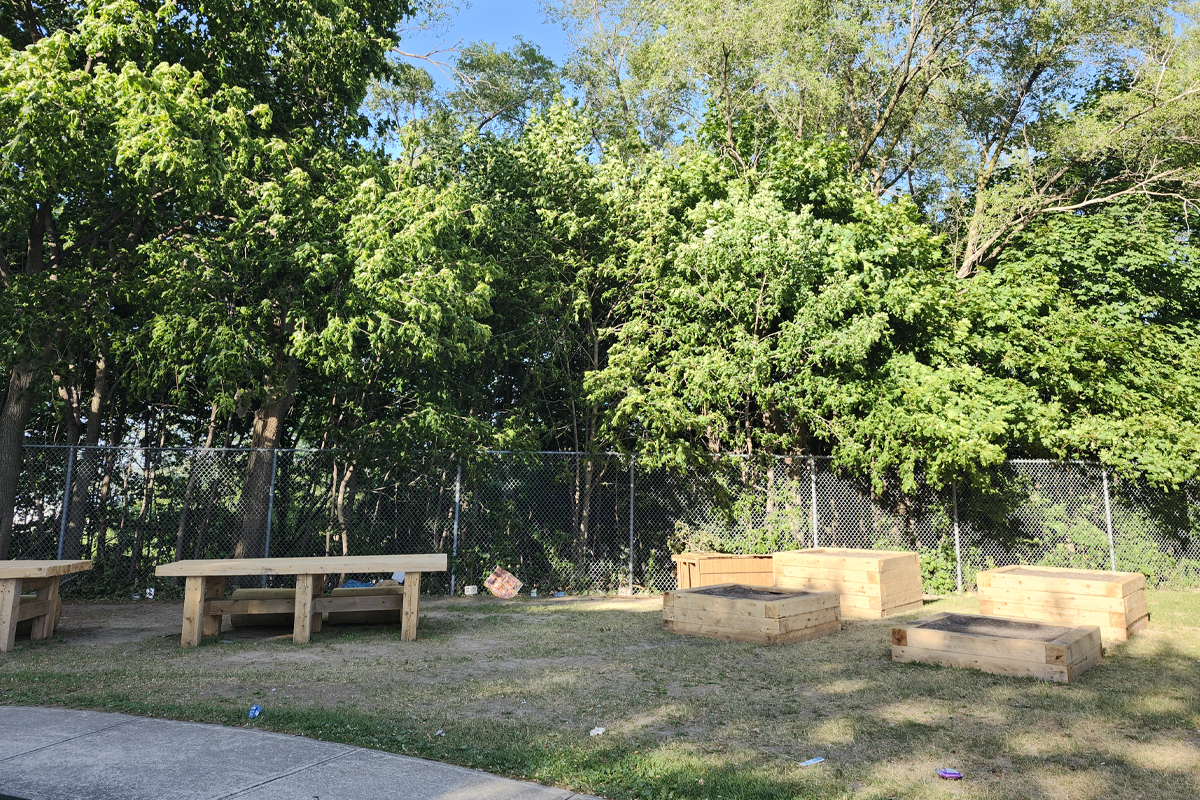
In summer 2025, 8 80 Cities partnered with the University of Toronto’s CECCS (Committee on the Environment, Climate Change and Sustainability) to explore the potential of floodplain placemaking within the 880 TowerPOPS program. The TowerPOPS initiative revitalizes underused spaces in tower neighbourhoods, transforming them into vibrant, equitable hubs for residents. TowerPOPS sites in Rockcliffe-Smythe and Cooksville, both near floodplains, showcase how design can integrate stormwater management concerns with community health goals. Current flood-resilient features of the TowerPOPS program include raised vegetable garden beds, rain gardens, and elevated gathering areas. Future opportunities for the program include installing rain barrels and converting paved surfaces to permeable surfaces to enhance flood resilience further.
Building Momentum Through Stakeholder Partnerships
Floodplain placemaking is gaining momentum across the GTA. The Toronto and Region Conservation Authority (TRCA), Credit Valley Conservation (CVC), and the City of Toronto and the City of Mississauga are all stakeholders championing flood-resilient design. Programs such as SNAP (Sustainable Neighbourhood Action Plans) are leading the way with innovative solutions, including bioswales, cisterns, blue and green roofs, rain gardens and community gardens, depaving of impermeable surfaces, and emergency preparedness workshops. These efforts demonstrate the ongoing actions and future opportunities for collaboration among municipalities, nonprofits, and residents.
Global Inspiration
Cities worldwide offer successful models for integrating nature into urban design. Singapore’s Bishan-Ang Mo Kio Park transformed a concrete canal into a natural river system, while Amsterdam’s innovative rain barrel network helps manage stormwater across neighbourhoods. These examples show that flood-resilient urban design is achievable through creativity and cooperation.
Challenges Ahead
Despite progress, challenges remain. There is limited long-term funding available for stormwater infrastructure to property owners. Political shifts can undermine supportive policies, as seen with the recent repeal of Toronto’s green roof bylaw. Incentive programs, such as a stormwater credit for retrofits, may be more effective than mandatory regulations. Market-based solutions, such as those in cities like Raleigh and Washington, D.C., could serve as useful models.
Community Power for a Resilient Future
To sum up, Placemaking succeeds when communities lead. Community champions build trust, drive participation, and influence policy for floodplain placemaking actions. Programs like TowerPOPS can foster partnerships with regional and municipal bodies, as well as neighbourhood groups, to empower residents and create lasting change for flood-resilient communities in the GTA.
